Monstesh: The Horror Display Font for Chilling Designs
When a project calls for a specific kind of tension—a palpable sense of dread or a jolt of adrenaline—you reach for a tool that understands the assignment. Standard serif fonts and clean sans serif fonts have their place, but they rarely evoke visceral fear. This is where a specialized premium font enters the picture, and few do it as effectively as Monstesh. This isn't just a collection of letters; it's a visual instrument designed to unsettle.
Anatomy of a Typeface Built for Fear
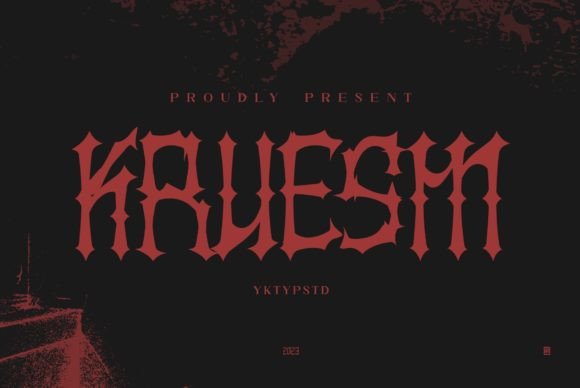
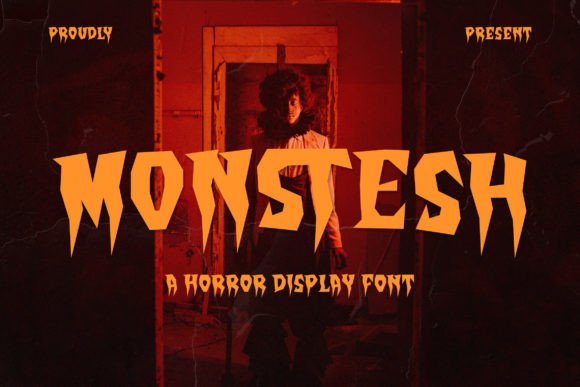
Monstesh is a display font that wears its horror inspiration on its sleeve. Its most striking feature is the aggressive, jagged strokes that mimic the slash of a claw or the shattering of glass. The letterforms are intentionally irregular, with sharp terminals and uneven baselines that create a sense of instability and chaos. This isn't the elegant spookiness of a Victorian ghost story; it's the raw, visceral terror of a modern slasher film or a psychological thriller. The overall personality is one of relentless, lurking menace. It doesn't whisper; it screams from the shadows.
This creative font achieves its effect through careful distortion. The negative space within and around the letters is manipulated to feel oppressive. When used in a headline, Monstesh doesn't just convey a message—it creates an atmosphere. The visual weight is heavy, demanding attention and immediately setting a dark, foreboding tone for any design asset it graces.
Where Monstesh Truly Shines: Practical Applications
Understanding a font's personality is one thing; knowing where to deploy it is where the real craft lies. Monstesh excels in contexts where the primary goal is to evoke a strong, immediate emotional reaction tied to fear, suspense, or the macabre. Its power is in its specificity.
- Entertainment & Events: This is Monstesh's natural habitat. It's perfect for logo design for horror film festivals, title cards for indie scary movies, and promotional posters for haunted attractions. Think of the lettering on a movie poster for a film like "The Descent" or "Hereditary"—Monstesh fits that niche perfectly.
- Seasonal & Thematic Branding: Halloween is an obvious application, but its use extends to any brand embracing a dark, alternative aesthetic. It can be powerful in packaging design for specialty craft beers with horror themes, gothic jewelry lines, or indie video game branding. It helps small business owners in these niches carve out a distinct, memorable brand identity.
- Editorial & Digital Content: In editorial design, Monstesh can be used for chapter titles in horror anthologies, magazine covers for genre publications, or as a standout web design element on a podcast site dedicated to true crime. For social media graphics, it can create eye-catching, thumb-stopping visuals for announcements related to dark-themed content or products.
Conversely, it's crucial to recognize where Monstesh will fail. Using it for body copy in a newsletter, the main text on a restaurant menu, or the branding for a children's hospital would be a catastrophic mismatch. Its strength is its intensity, which quickly becomes illegible and off-putting when overused or applied in the wrong context.
Making Monstesh Work: Integration and Pairing
Deploying a high-impact display font like Monstesh requires a thoughtful strategy. The goal is to harness its energy without letting it overwhelm the entire design. This is where principles of visual hierarchy and font pairing become essential.
Establishing a Clear Hierarchy
Monstesh should almost exclusively be used for headlines, logos, or single, impactful words. Its jagged nature makes it challenging to read in longer strings of text. The most effective approach is to pair it with a highly legible, neutral typeface for subheadings and body copy. This contrast creates a dynamic tension: Monstesh delivers the thematic punch, while the supporting font ensures information is communicated clearly. This pairing directly influences readability and the overall professionalism of the piece.
Finding the Right Companion
What makes a good partner for a horror display font? You need a typeface that is calm, structured, and easy on the eyes. A clean, geometric sans serif font often works best. Think of fonts like Montserrat, Lato, or Open Sans. Their regularity and open letterforms provide a visual "breather" and make the chaotic energy of Monstesh feel intentional rather than sloppy. In some cases, a simple, no-frills serif font with good readability could also work, especially for a more classic horror vibe, but avoid overly decorative serifs or script fonts that would compete for attention.
Evaluating the Font Package
Before purchasing any commercial font, it's vital to review what's included. Does Monstesh come with multiple weights (e.g., Regular, Bold)? Does it include a full set of punctuation, numerals, and multilingual characters? Are there any stylistic alternates or ligatures that could add versatility? For designers, this information is practical. Furthermore, always verify the licensing. A premium font like Monstesh will come with a license that specifies its allowed uses—whether for a single project, multiple client projects, or for use in products for sale (like on merchandise). Understanding this upfront prevents legal issues down the line and is a mark of a creative professional.
Ultimately, Monstesh is a powerful tool in a designer's arsenal, but like any specialized instrument, it requires skill and context to use effectively. It won't solve every design problem, but for the right project, it can be the element that transforms a good design into one that truly resonates with its audience on a gut level. Its value lies not in its versatility, but in its unwavering commitment to a specific, chilling aesthetic.