Just Bubble: Bringing Playful Authenticity to Your Designs
Understanding the Personality of This Creative Font
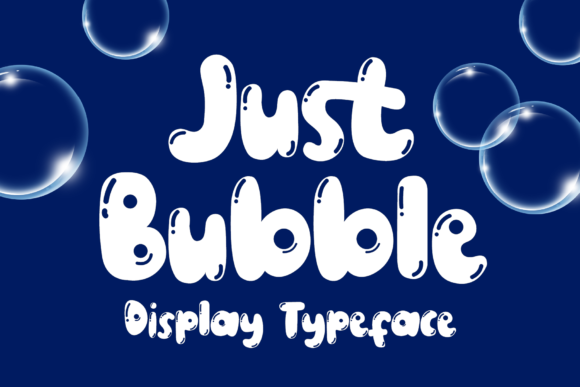
When you first encounter Just Bubble, it’s hard not to smile. As a premium display font, it captures a specific, joyful energy that many projects struggle to achieve with standard typefaces. It is distinctly cute and bubbly, characterized by chunky letterforms and rounded terminals that suggest softness and approachability. This isn't a font for serious legal documents or dense academic reading; it is a creative font designed to embody playfulness and authenticity. The visual weight is heavy enough to make a statement, yet the curves keep it from feeling aggressive or imposing. It strikes a balance that feels handmade and genuine, offering a breath of fresh air in a landscape often dominated by rigid sans serif fonts and predictable serif fonts.
The appeal of Just Bubble lies in its ability to communicate tone instantly. In the world of modern typography, we often talk about "voice." Just Bubble speaks with a cheerful, energetic voice. It mimics the irregularity of a handwritten font but with the consistency and scalability of a digital typeface. This makes it an excellent asset for designers who want to inject personality into their work without sacrificing legibility. Whether you are working on a logo design for a new startup or creating social media graphics for an established brand, the visual characteristics of this font—its chunky structure and playful rhythm—act as a visual cue to the audience that what they are looking at is fun, accessible, and creative.
Strategic Applications: From Brand Identity to Editorial Design
Finding the right home for a font like Just Bubble requires looking at the context of your project. Because it is a display font, its primary strength lies in headlines, subheadings, and large-scale applications. It is rarely the best choice for body copy, where readability at small sizes is paramount. However, for logo design, packaging design, and web design headers, it is a powerhouse. Imagine a children’s activity center looking to refresh its brand identity. Using Just Bubble for their logo and signage instantly communicates that the space is welcoming and designed for fun. It removes the stiffness often associated with corporate branding and invites the audience in.
In the realm of editorial design and publishing, this typeface offers a fantastic solution for book covers, magazine headers, and chapter titles, particularly in genres aimed at younger audiences or lighthearted subjects. A blogger writing about parenting or crafting could use Just Bubble to create cohesive headers that tie their digital presence together. It works beautifully for marketing materials, too. Think about the packaging design for a bakery or a toy store; the chunky, rounded letters of Just Bubble can make product labels pop off the shelf, creating a tactile feeling even through the visual medium. It is a versatile design asset that bridges the gap between digital and print with ease.
Typography in Action: Hierarchy, Pairing, and Readability
Using a creative font effectively involves more than just installation; it requires an understanding of visual hierarchy. Just Bubble is bold by nature, making it perfect for anchoring a layout. However, because it has such a strong personality, it needs to be balanced carefully. This is where font pairing becomes critical. To ensure your design remains professional and readable, pair Just Bubble with a neutral sans serif font or a clean serif font for your body text. For example, if you use Just Bubble for a headline on a poster, use a geometric sans serif like Montserrat or a classic serif like Lora for the descriptive text below. This contrast allows the playful font to shine without overwhelming the reader, creating a clear distinction between the hook and the information.
Readability considerations are also vital when working with display typefaces. While Just Bubble is designed to be legible at large sizes, you should always test it in the specific environment where it will be used. In web design, check how it renders on mobile devices versus desktop screens. In print, print a test page to ensure the "bubbly" edges don't bleed into one another on lower-quality paper. The goal is to maintain the font's charm while ensuring the message gets across. A common mistake is using a playful font for long paragraphs. Just Bubble is best used sparingly for maximum impact—think short bursts of text that need to grab attention immediately.
Practical Guide to Implementation and Licensing
Before integrating Just Bubble into your next commercial project, it is essential to review the technical details and licensing. As a commercial font, it comes with specific usage rights that protect the designer's work while allowing you to use the asset across various platforms. Always verify whether your license covers the specific use case, such as embedding the font in a mobile app or using it on merchandise for sale. Most premium fonts offer different tiers of licensing, so understanding your needs as a small business owner or entrepreneur is the first step.
When evaluating the font for your project, take the time to explore the included styles. Does it come with alternates or ligatures? These additional glyphs can add significant value, allowing you to customize the look of the text and avoid repetitive letter shapes. For crafters and hobbyists, checking the font's compatibility with cutting machines or design software is a practical necessity. The best way to evaluate fit is to mock up your design. Drop Just Bubble into your current project file. Does it clash with your color palette? Does it support the emotional tone of your content? By testing the typeface in real-world scenarios, you move beyond theory and into practical application, ensuring that your final output—whether it is a wedding invitation, a t-shirt design, or a digital ad—feels cohesive and intentional.
Ultimately, Just Bubble is more than just a collection of vector points; it is a tool for expression. It allows designers, marketers, and creators to step away from the mundane and embrace a style that is authentically joyful. In a world where standing out is increasingly difficult, having a design asset that is inherently lively can be the difference between a design that is merely seen and one that is truly felt. By leveraging its unique characteristics thoughtfully, you can create projects that resonate deeply with your audience.