Cartoon: The Cute and Jolly Display Font for Playful Designs
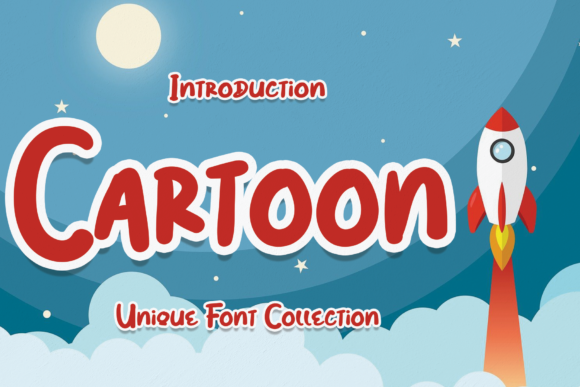
When a project calls for an immediate sense of fun, warmth, and approachability, the typeface you choose sets the entire tone. This is where Cartoon, a premium font with a distinctly hand-painted, cute character, enters the conversation. It’s not just another whimsical typeface; Cartoon is a carefully crafted design asset that brings a jolly, human touch to digital and print creations. Its rounded letterforms, slight imperfections, and playful bounce give it the personality of a friendly illustration rather than cold, perfect type. For designers, entrepreneurs, and creators, understanding how to leverage a creative font like Cartoon can be the key to unlocking a more engaging and memorable brand identity.
Visual Personality: More Than Just a Pretty Face
At its core, Cartoon is a display font, meaning it’s engineered for impact in headlines, logos, and short bursts of text, not for lengthy paragraphs. Its visual style is defined by soft, rounded terminals that mimic the look of a paintbrush or marker, creating a texture that feels organic and handmade. This isn't a sterile, geometric sans serif font; it has a joyful, slightly uneven baseline that adds movement and energy. The letter spacing is typically generous, allowing each character to breathe and enhancing its legibility at larger sizes. This modern typography choice speaks directly to an audience that values authenticity and a less corporate aesthetic. Think of it as the typographic equivalent of a warm smile—it’s disarming, inviting, and instantly sets a positive mood.
Where Cartoon Truly Shines: Practical Applications
The strength of a creative font like Cartoon lies in its versatility within specific contexts. It’s a specialist, not a generalist, and using it correctly can dramatically elevate a project’s appeal.
- Branding and Logo Design: For businesses targeting families, children, or anyone seeking a playful market position, Cartoon can form the cornerstone of a brand identity. It works exceptionally well for toy shops, children’s clothing lines, bakeries with a whimsical theme, or indie game studios. Paired with a simple, clean sans serif font for body text, it creates a balanced and professional yet friendly hierarchy.
- Packaging and Editorial Design: Imagine a cereal box, a juice carton, or the cover of a children’s activity book. Cartoon injects personality and shelf appeal. In editorial design, it can be used for chapter titles in a playful cookbook or section headers in a family-focused magazine, drawing the reader’s eye with its charm.
- Digital and Social Media: In the fast-scrolling world of social media, a display font like Cartoon stops the thumbs. It’s perfect for eye-catching Instagram story headers, playful YouTube thumbnails, and engaging graphics for community blogs. For web design, it can be used sparingly for call-to-action buttons or hero section headlines to convey a specific mood without overwhelming the user interface.
- Personal and Commercial Projects: Crafters and hobbyists will find endless uses for this commercial font in greeting cards, party invitations, stickers, and T-shirt designs. Its cuteness factor is a major asset for creating products on print-on-demand platforms.
Integrating Cartoon Into Your Design Workflow
Choosing a font is a strategic decision. Here’s how to evaluate and implement Cartoon effectively.
Evaluating Fit and Font Pairing
First, assess if the project’s tone aligns with Cartoon’s personality. Is the goal to be serious, authoritative, or minimalist? If so, Cartoon is the wrong tool. Its job is to inject joy. When font pairing, contrast is your best friend. Cartoon, with its high visual personality, demands a neutral partner. A sturdy, geometric sans serif font like Montserrat or Open Sans provides a clean canvas. For a touch of elegance, a simple serif font with low contrast could work in specific contexts, but the sans serif route is usually safer and more modern. Avoid pairing it with another expressive script font or handwritten font, as the result will likely feel chaotic and unprofessional.
Readability and Hierarchy Considerations
Because Cartoon is a display font, its primary role is in establishing visual hierarchy at the top level. Use it for H1s, H2s, logos, and pull quotes. Never set a full paragraph of body copy in it; readability will plummet. Test its legibility at the intended size, especially for smaller applications like subheadings. Check how the unique letterforms of the lowercase ‘a’ and ‘g’ render, and ensure the spacing doesn’t cause letters to visually collide. The goal is for the font to be a delightful accent, not an obstacle to comprehension.
Reviewing Styles and Licensing
A quality premium font often comes with more than one style. Check if the Cartoon font family includes weights like Regular and Bold, or stylistic alternates. These variations provide crucial flexibility, allowing you to create subtle emphasis within your headline typography without switching fonts. Crucially, verify the commercial font license. Ensure it covers your intended use—whether for client projects, merchandise, or digital products. A clear license protects you legally and is a mark of a professional design asset.
In the end, Cartoon is more than a cute font; it’s a strategic tool for visual communication. It doesn’t work for every project, but when it fits, it works beautifully, transforming a standard design into something that feels personal, energetic, and full of character. By applying it thoughtfully to the right contexts and pairing it with complementary typefaces, you can harness its jolly spirit to create designs that resonate deeply with your audience.