Balon: The Playful Display Font for Friendly Designs
More Than Just a Typeface: Understanding Balon’s Personality
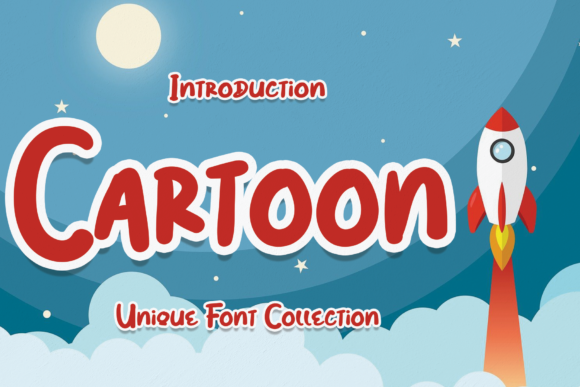
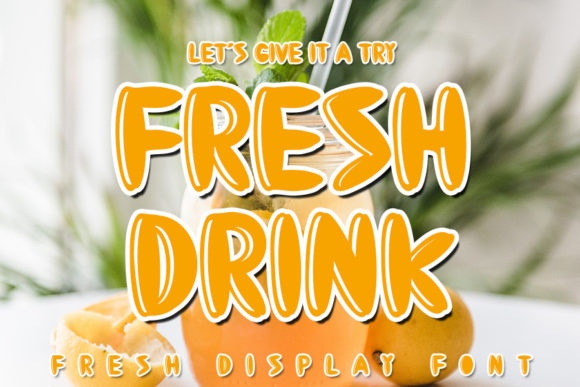
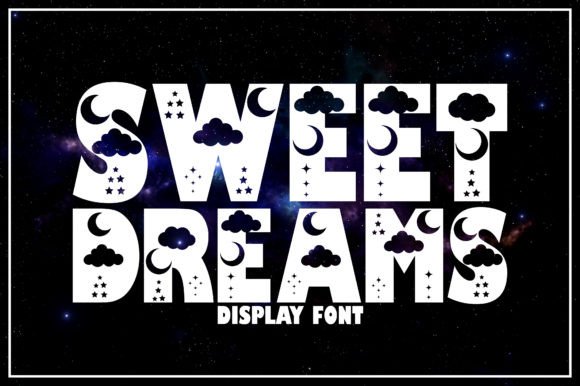
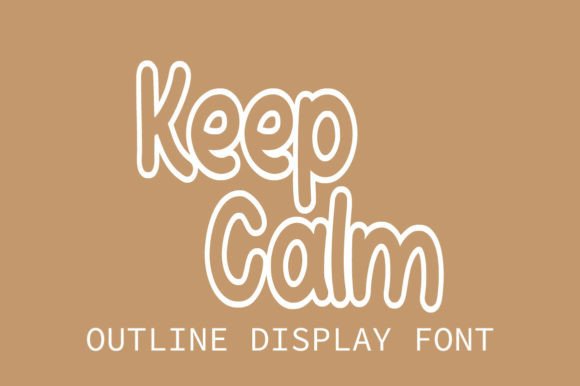
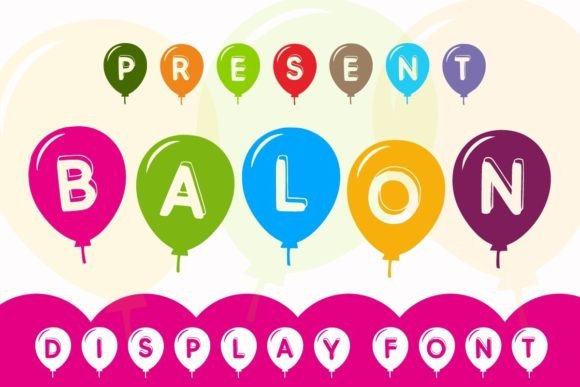
When you first encounter the Balon typeface, the immediate impression is one of unapologetic joy. It is a colorful, bold, and distinctly childish display font that refuses to take itself too seriously. However, dismissing it as merely "childish" would be a mistake; in the world of modern typography, this specific aesthetic is a powerful tool. Balon conveys an impeccable friendliness that is difficult to achieve with standard sans serif font families or rigid serif font structures. It sits comfortably in a category that demands attention while simultaneously putting the viewer at ease.
As a premium font, Balon is designed to be easy to read, which is a crucial requirement for any display font. Often, decorative typefaces sacrifice legibility for the sake of style, but Balon manages to balance its bubbly, inflated letterforms with clear distinctness. The visual characteristics—rounded terminals, soft geometry, and a consistent weight—create a rhythm that guides the eye smoothly. This makes it an ideal candidate for headlines where you need to communicate a message instantly without the cognitive load that comes with deciphering complex script font or abstract handwritten font styles.
The appeal of Balon lies in its versatility within the "friendly" niche. It is not trying to be corporate or severe. Instead, it acts as a visual smile. For brand identity projects targeting younger demographics, families, or simply a more optimistic market, this font becomes a cornerstone asset. It speaks the language of approachability, making it a valuable addition to any designer’s toolkit, whether you are a seasoned professional or a hobbyist exploring digital design.
Real-World Applications: Where Balon Shines Brightest
The true test of any creative font is how well it performs in practical scenarios. Balon excels in environments where energy and engagement are the primary goals. If you are working on packaging design for snacks, toys, or party supplies, this font immediately sets the tone. It tells the consumer that the product inside is fun and accessible. Similarly, in web design, using Balon for hero sections or call-to-action buttons can break the monotony of standard web-safe typography, injecting personality into the user interface.
For those in the publishing and content creation space, Balon is a game-changer for specific projects. Consider the following applications:
- Editorial Design: While it might not be suitable for long-form body text, it works beautifully for pull quotes, chapter titles in children's books, or magazine headers covering lifestyle and entertainment topics.
- Social Media Graphics: In the fast-scrolling environment of Instagram or TikTok, bold typography stops the thumb. Balon creates high-impact social media graphics that are readable even on small mobile screens.
- Greeting Cards and Crafts: The "childish" quality mentioned earlier is actually a superpower here. It mimics the aesthetic of balloons and confetti, making it perfect for birthday invitations, DIY crafts, and seasonal greetings.
- Logo Design: For startups or small businesses wanting to appear approachable, Balon offers a distinct shape that aids in brand recognition. It is particularly effective for bakeries, daycare centers, or creative agencies.
Entrepreneurs and small business owners often struggle to find design assets that feel professional yet warm. Balon bridges that gap. It avoids the coldness of corporate sans serif font stacks while maintaining the clarity required for logo design and marketing collateral. It is a commercial font that justifies its place in a branding kit by consistently delivering a specific emotional result: happiness.
Strategic Typography: Using Balon Effectively
Adopting a display font like Balon requires a strategic approach to visual hierarchy. Because of its bold weight and unique shape, it commands dominance on the page. You should use it sparingly for maximum effect. If every line of text is set in Balon, the design can become overwhelming, and the "easy-to-read" quality diminishes into visual noise. The key is contrast.
Font pairing is essential when working with such a distinct typeface. To let Balon shine, pair it with something neutral and grounded. A clean, geometric sans serif font for body text often works best, providing a quiet background for Balon’s loud personality. Alternatively, if you are aiming for a whimsical editorial look, a simple serif font can provide an interesting structural contrast, though this requires careful testing to ensure the moods align. Avoid pairing it with other decorative styles like a competing script font, as this will create a clash for the viewer's attention.
When evaluating if Balon is the right fit for your project, consider your audience's expectations. If you are a marketer targeting a Gen Z audience or a content creator in the lifestyle space, the font's modern, playful vibe aligns perfectly. However, for a law firm or a financial institution, the "childish" aspect might undermine the seriousness of the services. Context is everything in modern typography.
Practical Considerations for the Design Professional
Before integrating Balon into your workflow, it is wise to review the technical specifics of the font package. A high-quality premium font usually comes with various weights or stylistic alternates. Check if the Balon family includes different variations that allow you to fine-tune the thickness or style of the letters. This flexibility is vital for maintaining consistency across different media, from print to digital.
Readability testing is another non-negotiable step. While Balon is designed to be legible, display fonts often behave differently at various sizes. Test the font at the exact size it will appear in your web design or print layout. Ensure that kerning (the space between letters) feels balanced, especially in all-caps settings. Sometimes, playful fonts require manual tracking adjustments to prevent letters from crashing into one another or appearing too loose.
Finally, respect the licensing. As a commercial font, Balon comes with specific usage rights. Whether you are a freelancer creating a logo for a client or a publisher using it for a book cover, ensure your license covers the intended use. Most foundries offering design assets like Balon provide clear guidelines on desktop, web, and app usage. Adhering to these not only keeps you legally compliant but supports the type designers who create the tools that make our work stand out.
In summary, Balon is not just a font; it is a mood setter. It transforms standard text into a visual experience that feels energetic, welcoming, and memorable. By using it thoughtfully within your brand identity and design projects, you leverage the power of friendly typography to connect with your audience on a human level.