Toast Bread: A Typeface That Feels Like a Warm Hug
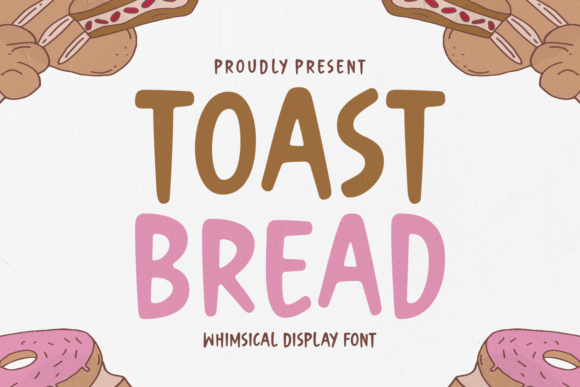
There are fonts that command attention with sharp precision, and there are those that invite you in with a smile. Toast Bread belongs firmly in the latter category. It’s a display font that doesn’t just sit on the page; it practically bounces off it. Imagine the soft, rounded crust of a perfectly toasted slice—that’s the visual texture this typeface brings to your work. Its characters are intentionally playful, with a slightly inflated, whimsical quality that feels both modern and deeply approachable. This isn’t a font for legal briefs or quarterly reports. It’s a creative tool designed to inject joy, warmth, and a distinct personality into projects where a human touch is everything.
More Than Just a Pretty Face: The Personality of Toast Bread
The true strength of Toast Bread lies in its ability to set a specific emotional tone. Its quirky, rounded characters create an immediate sense of lightheartedness and creativity. Think about the last time you saw a brand that felt genuinely friendly and accessible—chances are, the typography played a key role. This font excels at building that connection. The slightly soft edges and playful proportions make it feel less like a digital tool and more like a handcrafted element, which is invaluable in a world saturated with sterile, corporate aesthetics.
From a practical design standpoint, it’s a fantastic counterpoint to more neutral typefaces. Pairing Toast Bread with a clean sans serif font for body text creates a dynamic visual hierarchy. The display font grabs the headline, setting a cheerful mood, while the sans serif ensures the supporting information remains clear and easy to read. This contrast is a cornerstone of effective modern typography, and Toast Bread makes it effortless. It’s not trying to do everything; it’s a specialist in evoking a specific, positive feeling.
Where This Font Truly Shines: Practical Applications
Knowing a font’s personality is one thing, but understanding where to deploy it is where strategy meets creativity. Toast Bread is a versatile creative font, but its strengths are most pronounced in specific contexts.
- Branding & Logo Design: For small businesses, cafes, bakeries, craft studios, or any brand aiming for a brand identity that feels welcoming and artisanal, this font is a natural fit. It can become the cornerstone of a logo that feels instantly relatable and memorable.
- Digital & Social Media: In the fast-scrolling world of social media graphics, a post set in Toast Bread stops the thumbs. It’s perfect for Instagram stories, quote graphics, promotional banners, and YouTube thumbnails where you need to convey excitement or friendliness in an instant.
- Print & Packaging: The charm translates beautifully to physical products. Use it for packaging design on artisanal food products, stickers, children’s book titles, or event posters. It adds a tactile, handmade quality that elevates the unboxing experience.
- Personal Projects & Publishing: For bloggers, newsletter creators, or hobbyists designing invitations, greeting cards, or scrapbook elements, Toast Bread provides a polished yet playful look that feels professionally crafted.
A Designer’s Guide to Using Toast Bread Effectively
Adopting a new premium font is an investment, so a thoughtful approach is key. Here’s how to integrate Toast Bread into your workflow for maximum impact.
Evaluate the Fit: Before you commit, ask yourself if the project’s tone aligns with the font’s personality. Is the goal to be serious and authoritative, or cheerful and engaging? If it’s the latter, you’re on the right track. Test it in your mockups early to see if it feels right in context.
Master the Pairing: As mentioned, a strong font pairing is crucial. Toast Bread works beautifully with geometric or humanist sans serif fonts like Montserrat, Poppins, or Open Sans for body copy. For a more eclectic look, you could even pair it with a simple, clean serif font. Avoid pairing it with other highly decorative fonts, as they’ll compete for attention and create visual chaos.
Consider Readability: This is a display font, meaning it’s designed for headlines, logos, and short bursts of text—not for paragraphs. Using it for long-form body copy would sacrifice readability. Always prioritize your audience’s ability to consume the information easily.
Review the Full Package: A quality commercial font often comes with more than just the basic alphabet. Check if Toast Bread includes stylistic alternates, ligatures, or multiple weights. These extras can give you more creative flexibility and help you avoid a cookie-cutter look. Also, verify the licensing. Ensure the license covers your intended use, whether it’s for a personal blog, client work, or products for sale.
Ultimately, the right typeface is one that serves the project’s goals and resonates with its intended audience. Toast Bread isn’t a universal solution, but in the right context, it’s a powerful design asset. It’s a font that understands that sometimes, the best way to communicate is with a bit of warmth, a dash of fun, and a whole lot of character. It turns ordinary text into an experience, making your message not just seen, but felt.