Bello: The Sweet, Friendly Display Font That Feels Like a Warm Hug
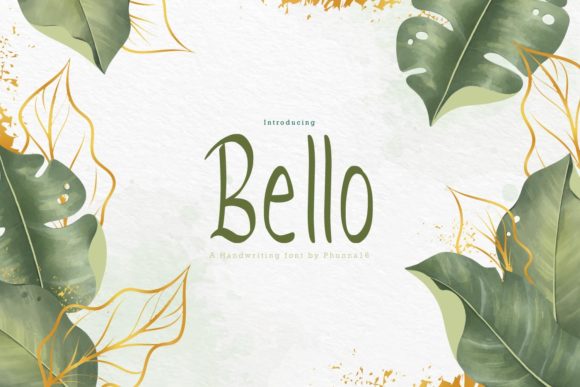
You know that feeling when you find a typeface that just clicks? It’s not about technical perfection or following every rule in the typography handbook—it’s about personality. Bello is one of those rare finds. It’s a sweet, friendly display font with a natural, handwritten charm that manages to feel both approachable and polished. The moment you see it, there’s a warmth to it, like a handwritten note from a friend who also happens to have impeccable taste in design.
What makes Bello stand out in a sea of display fonts is its balance. It has the casual, human touch of a script or handwritten font, but with enough structure and clarity to work in professional contexts. The letterforms flow with a gentle, organic rhythm—slightly rounded, with soft curves and just the right amount of variation to feel authentic without becoming messy. It’s not trying too hard; it’s simply comfortable in its own skin, which makes it incredibly versatile for a surprising range of projects.
Where Bello Really Shines: Real-World Applications
Let’s get practical. Where does a font like Bello actually work best? Think about any project where you want to convey warmth, personality, and a human touch without sacrificing readability. Bello is a fantastic choice for logo design, especially for brands that want to feel inviting, creative, or personal. Imagine a boutique bakery, a handmade jewelry line, a wellness coach, or a children’s book author—Bello immediately sets a tone that’s friendly and trustworthy.
In editorial design, Bello can add a layer of personality to headlines, pull quotes, or chapter titles in magazines, blogs, or digital publications. It’s not a body text font—its display nature means it’s meant for impact at larger sizes—but used strategically, it can break the monotony of standard serif or sans serif fonts and draw the reader’s eye exactly where you want it.
Packaging design is another sweet spot. If you’re designing labels for artisanal products, cosmetics, or specialty foods, Bello can give that handcrafted feel that resonates with consumers looking for authenticity. Similarly, in web design, it can be used for hero sections, call-to-action buttons, or special announcements to inject personality into an otherwise minimal layout. And for social media graphics? Bello is a game-changer. It’s perfect for quotes, announcements, and branded content where you need to stand out in a fast-scrolling feed with something that feels genuine and engaging.
How Bello Influences Perception and Engagement
Fonts aren’t just about aesthetics—they’re communication tools. The typeface you choose sends a message before anyone reads a single word. Bello, with its friendly and approachable style, can significantly influence how your brand or project is perceived. It can make a small business feel more personal and accessible, or add a touch of creativity to a corporate project that might otherwise feel sterile.
Using a display font like Bello for key elements helps establish a clear visual hierarchy. It naturally draws attention, making it ideal for headlines, logos, and focal points in your design. When paired thoughtfully with a clean serif font or a neutral sans serif font for body text, it creates a dynamic contrast that guides the reader’s eye and improves overall readability. This kind of thoughtful font pairing is a hallmark of professional design and shows a level of care that audiences subconsciously appreciate.
Working with Bello: Practical Tips for Designers and Creators
So, you’re sold on the vibe. How do you actually use Bello effectively? First, remember its role: it’s a display font. That means it’s designed for short bursts of text at larger sizes—think headlines, logos, and short phrases. Avoid using it for long paragraphs or small body copy; that’s where a good serif or sans serif font will do the heavy lifting for readability.
When evaluating if Bello fits your project, consider the overall brand identity you’re building. Does it align with the personality you want to convey? Test it with your brand name, a key headline, or a sample tagline. Look at how it feels alongside your other design assets, like imagery and color palette.
Font pairing is crucial. Bello’s friendly, slightly playful nature works beautifully with clean, geometric sans serif fonts for a modern contrast, or with elegant serif fonts for a more sophisticated, balanced look. The key is to let Bello do the talking for one or two key elements, and let its partner font handle the supporting text quietly.
Finally, check the technical details. As a premium font, Bello should come with a commercial license suitable for your needs—whether it’s for a personal blog, client work, or product packaging. Review the included styles and weights; sometimes a font family offers variations that can add even more flexibility to your designs.
A Final Thought on Creativity
The only limit with a font like Bello is your imagination. It’s a tool that invites playfulness and experimentation. Don’t be afraid to use it in unexpected ways—a bold headline on a minimalist website, a quirky touch on a formal invitation, or a personal stamp on a corporate report. When used with intention, Bello can elevate your design from merely functional to truly memorable, creating a connection with your audience that goes beyond the words themselves. It’s a reminder that great design is often about feeling, and Bello delivers that feeling in spades.