Linetown: Bringing Bold Vintage Character to Modern Design
There’s a certain magic in design that feels both timeless and fresh. It’s that sweet spot where nostalgia meets contemporary edge, and it’s exactly where the Linetown display font lives. If you’ve been searching for a typeface that doesn’t just sit quietly on the page but makes a confident entrance, you’ve likely found a new favorite. This isn’t just another font; it’s a design statement waiting to happen.
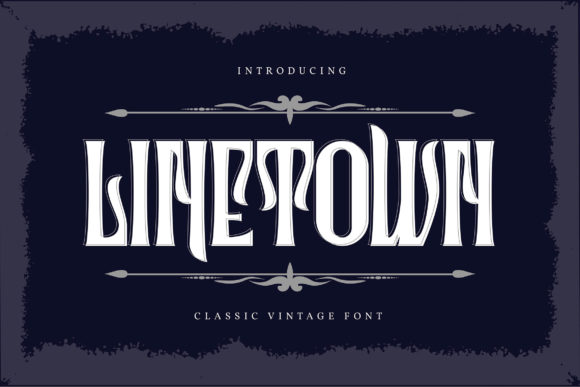
So, what defines the Linetown personality? At its core, it’s a bold, vintage-styled display font. Imagine the confident lettering from old travel posters, classic brewery labels, or the mastheads of 1970s adventure magazines. Linetown captures that era’s unapologetic confidence. Its characters feature strong, geometric shapes with sharp, clean lines and subtle, elegant curves. The weight is substantial, ensuring it commands attention, while its vintage roots give it a warmth and character that many modern, sterile typefaces lack. It’s designed to be a creative font that feels out of this world, yet deeply familiar.
Where Linetown Truly Shines: Real-World Applications
A font’s true value is proven in its application. Linetown’s strength lies in projects that demand a powerful first impression. Think about the places where you need to communicate personality, heritage, or bold confidence instantly.
For brand identity and logo design, this is where Linetown becomes a cornerstone asset. It’s perfect for brands in the craft beverage space—breweries, distilleries, coffee roasters—where artisanal quality and heritage are part of the story. It works brilliantly for boutique hotels, vintage clothing lines, barbershops, and any small business owner whose brand is built on character and craftsmanship. Using Linetown in your logo immediately tells a story of quality and timeless style.
Its impact extends powerfully into packaging design. On a shelf crowded with minimalist sans serif fonts, a product name set in Linetown has the visual weight to stand out. It suggests the product inside is made with care and has a story to tell. This premium font style is equally at home on artisanal food labels, vinyl record sleeves, or luxury cosmetic boxes.
In the digital realm, consider web design and social media graphics. As a display font, Linetown is your secret weapon for headlines, hero sections, and call-to-action buttons that need to stop the scroll. For bloggers and content creators, using it for post titles or featured quotes can dramatically increase visual engagement and help establish a recognizable aesthetic. It’s not meant for body text, but for those key, high-impact moments, it’s unmatched.
Don’t overlook its power in editorial design and publishing. Magazine covers, chapter openers, pull quotes, and event posters can all be elevated by Linetown’s presence. It brings a level of professionalism and visual hierarchy that guides the reader’s eye and makes the content feel more curated and authoritative.
Using Linetown with Confidence: A Practical Guide
Adopting a new typeface into your toolkit is about more than just liking how it looks. It’s about understanding its role and ensuring it serves your project’s goals. Here’s how to integrate Linetown effectively.
First, always consider readability and context. Linetown is a display font, engineered for impact at larger sizes. Its bold, detailed forms might become difficult to read if used for long paragraphs or at very small sizes. Use it for headlines, titles, logos, and short, impactful statements. For body copy, pair it with a highly legible sans serif font or a clean serif font—the contrast will make both typefaces look better.
This leads to the art of font pairing. A good pairing creates harmony and visual interest. Try combining Linetown with a simple, neutral sans serif like Helvetica or Futura for a clean, modern contrast. For a more classic, literary feel, pair it with a transitional serif like Garamond or Baskerville. The goal is to let Linetown own the spotlight for key phrases while its partner handles the supporting text with clarity.
Before finalizing your choice, explore the font’s full capabilities. A well-designed premium font like Linetown often includes more than just the basic letters. Check for stylistic alternates, ligatures, or multiple weights. These features give you creative flexibility to fine-tune the look and feel, ensuring your brand identity feels unique and polished.
Finally, for any commercial project, licensing is non-negotiable. Linetown is a commercial font, and using it correctly is part of being a professional. Ensure you have the appropriate license for your specific use—whether it’s for a client’s logo, a product line, or digital advertising. This protects both you and the font’s creator, and it’s a mark of respect for the craft of modern typography.
Ultimately, choosing a font like Linetown is a strategic decision. It’s about selecting a design asset that aligns with your project’s soul. If your work aims to evoke confidence, heritage, and a bold sense of style, then this vintage-styled display font isn’t just a good choice—it’s a powerful partner in bringing your creative vision to life.