Buggy: The Bold Display Font for Modern Creatives
A Typeface That Captures a Mood
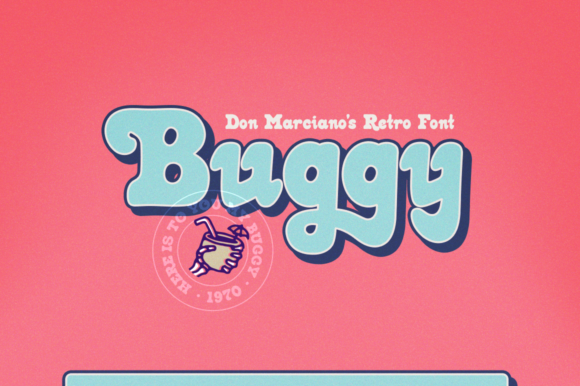
Finding a font that feels both nostalgic and fresh can be a real challenge. You want personality, but not at the cost of looking dated. You need impact, without sacrificing all sense of sophistication. This is the sweet spot where Buggy operates. It’s a bold display font with a distinct retro flair, but it’s been crafted with a modern sensibility. The letterforms have a confident, slightly condensed structure with rounded terminals and a subtle, friendly weight distribution. It doesn’t scream for attention with wild flourishes; instead, it commands the room with a steady, stylish presence. Think of it as the typographic equivalent of a classic leather jacket—timelessly cool, versatile, and instantly recognizable.
The appeal of Buggy lies in its balanced character. It carries the warmth of mid-century design, evoking the playful optimism of 1960s and 70s signage and print media. Yet, its clean lines and intentional spacing feel thoroughly contemporary. This makes it a creative font that bridges eras. It’s not a slavish replica of the past, but a thoughtful reinterpretation. The personality is upbeat, confident, and approachable, making it ideal for projects that need to connect with an audience on an emotional level. It’s the kind of typeface that can set the entire tone for a brand identity, suggesting a business that is both established and in tune with current trends.
Where Buggy Truly Shines: Practical Applications
Understanding a font’s personality is one thing; knowing exactly where to deploy it is another. Buggy’s strength as a display font means it’s built for headlines, logos, and short, high-impact text blocks. It’s not your body copy choice. For logo design, it offers a fantastic foundation. Imagine it for a boutique coffee roaster, a retro-themed bar, an indie record store, or a craft brewery. The font’s inherent character does a lot of the heavy lifting, establishing a recognizable brand identity from the first glance. Its boldness ensures legibility at various sizes, from a website header to a tiny favicon.
In the world of packaging design, Buggy can be a game-changer. A product on a crowded shelf has seconds to communicate. A headline set in Buggy can convey fun, quality, and a specific aesthetic instantly—whether it’s for artisanal hot sauce, organic skincare, or a line of gourmet snacks. For editorial design, think magazine pull quotes, chapter titles in a book, or standout headers in a newsletter. It adds a layer of visual interest that draws the reader in. Its retro vibe pairs surprisingly well with clean, modern sans serif font choices for body text, creating a dynamic and readable hierarchy.
Digital spaces are another natural home. As a premium font in your toolkit, Buggy elevates web design headers, making a landing page memorable. It’s equally powerful for social media graphics, where stopping the scroll is paramount. A sale announcement, a quote graphic, or a podcast cover art featuring Buggy will stand out in a feed filled with generic typography. For entrepreneurs and small business owners, this is a practical asset. It allows you to create professional-looking marketing materials in-house, from presentation titles to email banners, that consistently reflect your brand’s stylish, approachable personality.
Pairing and Professional Use: Making Buggy Work for You
The true test of a great display font is how well it plays with others. Buggy’s friendly, rounded forms create a natural partnership with several font categories. For a classic, readable combination, pair it with a clean serif font for body copy. The contrast between Buggy’s playful display weight and the traditional serif’s structure creates a sophisticated balance. Alternatively, pairing it with a neutral, geometric sans serif font like Open Sans or Lato keeps the overall look modern and airy, letting Buggy’s character be the star without overwhelming the design.
Avoid pairing it with another strongly stylized script font or handwritten font, as this can lead to visual chaos. The goal is harmony, not competition. Always test your chosen font pairing in context. Set a headline in Buggy and your body text in the secondary font. Check the spacing, the x-height alignment, and the overall feel. Does it guide the eye smoothly from headline to body? Does it feel cohesive? This testing phase is crucial for any professional project.
Before using Buggy in a commercial project, a key practical step is to review the licensing. As a commercial font, it typically comes with a license that permits use in logos, products, and marketing materials, but terms can vary. Ensure you understand the specifics—whether it’s a desktop license, a web font license, or a license for digital products like templates. Investing in a proper license isn’t just about legality; it’s about supporting the type designers who create these valuable design assets.
Ultimately, choosing a font like Buggy is a strategic decision. It’s about selecting a tool that aligns with your project’s goals and audience expectations. Its strength lies in its ability to inject personality, nostalgia, and boldness into a design without feeling gimmicky. By using it thoughtfully for its intended purpose—as a standout headline font—you can leverage its retro charm to create memorable, engaging, and professional work that resonates. Whether for a client project or your own brand, it’s a creative font that delivers real-world value.