Sugar Coffee: The Display Font That Makes Headlines Pop
Finding a typeface with genuine personality is like finding the right spice for a recipe. It can transform a bland layout into something memorable. Sugar Coffee is one of those bold, modern display fonts that refuses to be ignored. It carries a playful flair—a dynamic energy that injects life into headlines, logos, and creative projects. If you are a designer, entrepreneur, or content creator looking for a creative font that balances readability with artistic expression, this might be the missing piece for your next brand refresh or campaign.
Understanding the Visual Style of Sugar Coffee
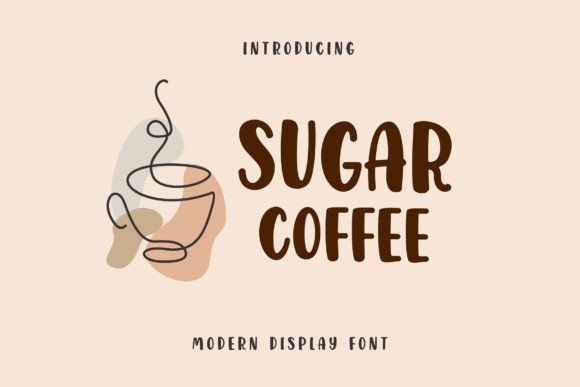
At its core, Sugar Coffee is a display font designed specifically for impact. Unlike a standard sans serif font used for body text, or a delicate script font used for wedding invitations, this typeface commands attention. It features bold strokes and distinctive letterforms that suggest a modern, confident aesthetic. It isn't just "loud"; it has nuance. The curves and angles work together to create a rhythm that feels contemporary and approachable.
When you look at Sugar Coffee, you don't see the rigid uniformity of a corporate typeface. Instead, you see a premium font that embraces a bit of edge. This makes it an excellent choice for logo design where you need to establish a vibe instantly. It bridges the gap between professional modern typography and artistic expression. It has enough character to stand alone as a header, but it remains legible—a crucial factor when selecting design assets for commercial use.
Where This Typeface Shines: Practical Applications
The versatility of a font is defined by where it succeeds. Sugar Coffee is built for high-visibility roles across a variety of media. Here is where it performs best in real-world scenarios:
Branding and Logo Design
Your brand identity relies heavily on how you present your name. If your brand leans toward the trendy, the artisanal, or the youth-oriented market, Sugar Coffee offers the right visual weight. It works beautifully for coffee shops (fitting the name), boutique clothing lines, or tech startups that want to appear friendly rather than cold. Because it is a commercial font, it provides the legal security needed for professional logo design and trademarking.
Digital Spaces: Web and Social Media
In the realm of web design, headers need to load fast and look sharp. Sugar Coffee renders well on screens, making it a strong candidate for website hero sections and landing page titles. Furthermore, for social media graphics, standing out in a crowded feed is difficult. A creative font like this cuts through the noise. Whether you are designing Instagram stories, Pinterest pins, or YouTube thumbnails, the bold nature of this typeface ensures your message is read at a glance.
Print and Packaging
While digital is king, print is far from dead. For packaging design, the shelf appeal is everything. Sugar Coffee can add a tactile, human feel to labels and boxes. It also holds up in editorial design. Imagine a magazine spread or a poster where the headline needs to anchor the entire page. This font provides that anchor without feeling stale or overused like some classic serif font options.
Design Strategy: Pairing and Hierarchy
Using a display font effectively requires a strategy, particularly regarding font pairing. You generally shouldn't write a paragraph of body text in Sugar Coffee—it is too decorative for long-form reading. Instead, use it to create visual hierarchy.
A proven approach is to pair Sugar Coffee with a clean, neutral sans serif font. For example:
- Headlines: Use Sugar Coffee in all caps or large sizing to grab attention.
- Sub-headlines: Use a medium-weight sans serif to bridge the gap.
- Body Copy: Use a highly legible, standard serif or sans serif font for the paragraphs.
This contrast creates a professional look. The "playful flair" of the headline draws the user in, while the clean body text ensures the information is digestible. This balance is key in modern typography. It prevents the design from looking chaotic while still allowing the personality of Sugar Coffee to shine through.
Evaluating the Fit for Your Project
Before committing to any design assets, you need to evaluate if the vibe matches your message. Sugar Coffee speaks a language of confidence and creativity. If you are a law firm or a government agency, this might not be the right fit. However, if you are a blogger, a marketer, or a small business owner in a creative industry, it aligns perfectly.
Consider your audience. Adults aged 20–50 are generally accustomed to modern typography trends. They appreciate design that feels current. Using a dynamic typeface like this signals that your brand is active and paying attention to aesthetics. It influences brand perception by making you appear more established and design-savvy.
Technical Considerations and Licensing
When you decide to use Sugar Coffee, take a moment to review the technical details. As a premium font, it usually comes with various weights or styles (such as italics or rough versions). Check these variations; they can add depth to your designs.
Most importantly, understand the licensing. A commercial font license is different from a personal one. If you are using Sugar Coffee for a client's logo, a product you sell, or a business website, you need the appropriate commercial license. This protects you legally and supports the type designers who crafted the letterforms.
Finally, test the readability. While it works well for display, always view your mockups at the actual size they will be seen. Ensure that the tracking (letter spacing) is set correctly so that letters don't clash. A little adjustment in spacing can significantly improve the legibility of a bold display typeface.
In summary, Sugar Coffee is more than just a font; it is a design tool for emphasis. It helps you create a distinct voice in a visual world, making it a valuable addition to any creative's toolkit. Whether for web design, packaging, or social media, it delivers the dynamic touch needed to make your message stick.