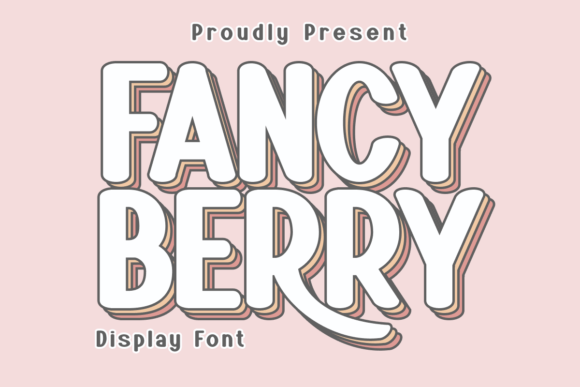
Fancy Berry: A Fun, Quirky Font for Creative Projects
Every designer knows the feeling: you're working on a project and need a typeface that brings personality without overwhelming the design. That's where Fancy Berry comes in. This display font combines playful, natural strokes with a distinctly feminine touch, creating a typeface that feels both approachable and visually interesting. It includes uppercase and lowercase letters along with punctuation, giving you enough versatility for most headline and accent text needs.
What makes Fancy Berry stand out isn't just its aesthetic. It's the way it communicates a specific mood the moment you see it. The letterforms have a hand-drawn quality that suggests creativity and warmth, making it a useful addition to any designer's toolkit. Whether you're building brand materials, creating digital content, or working on personal craft projects, understanding how and when to use this typeface can make a real difference in your work.
Visual Character and Personality
Fancy Berry occupies an interesting space in the display font category. It's not a formal script font, nor is it a rigid geometric typeface. Instead, it sits in that sweet spot where handwritten charm meets structured readability. The strokes feel organic, as if someone drew each letter with genuine care, yet there's enough consistency across the character set to maintain visual cohesion in longer phrases.
The feminine quality of Fancy Berry doesn't mean it's limited to traditionally feminine projects. Think of it as a font that communicates softness, approachability, and creative energy. These traits work well across a surprisingly broad range of applications. The natural curves and slightly irregular baseline give it movement, which draws the eye and creates visual interest even in simple layouts.
Compared to a standard serif font or sans serif font, Fancy Berry demands more attention. That's exactly what you want from a display font — something that commands the headline position while letting supporting typefaces handle the body copy. It's a premium font in the sense that it fills a specific role exceptionally well, and knowing that role is key to using it effectively.
Where Fancy Berry Works Best
Let's get practical. Fancy Berry shines in projects where personality and warmth matter more than corporate formality. Here are some real-world applications where this typeface genuinely adds value:
- Journals and Planners: The handwritten feel of Fancy Berry makes it ideal for cover titles, section headers, and motivational quotes inside planners and guided journals. It creates an inviting, personal atmosphere that encourages engagement.
- Scrapbooks and Stickers: Crafters working on physical or digital scrapbooks will find that Fancy Berry adds a handmade quality that complements photos, illustrations, and decorative elements without competing with them.
- Interior KDPs and Publishing: For those creating low-content books on platforms like Amazon KDP, Fancy Berry works well for chapter titles, decorative pages, and quote collections. It gives your publication a polished, intentional look that stands out from generic template designs.
- Women's T-Shirts and Merchandise: The font's personality translates well to apparel design, especially for phrases and short statements. Its readability at medium sizes makes it practical for packaging design and product labels as well.
- Canva Projects and Social Media Graphics: If you're creating content for Instagram, Pinterest, or other platforms, Fancy Berry can elevate your social media graphics by adding a distinctive visual voice. It works particularly well for quote cards, promotional posts, and story templates.
- Grocery Lists and Everyday Printables: Even functional documents benefit from thoughtful typography. Using Fancy Berry for headers on a grocery list or to-do sheet transforms something mundane into something you actually enjoy using.
Beyond these specific examples, consider Fancy Berry for logo design when the brand identity calls for a playful, approachable tone. Boutiques, bakeries, lifestyle blogs, and creative service businesses often benefit from this kind of typographic personality. It also has a place in editorial design, particularly in magazines or blog layouts targeting a creative female audience.
Pairing and Practical Considerations
A creative font like Fancy Berry rarely works in isolation. Successful font pairing is about contrast and complement. Since Fancy Berry has strong personality, pair it with something more neutral for body text. A clean sans serif like Montserrat, Open Sans, or Lato provides excellent balance. The contrast ensures readability while letting Fancy Berry do what it does best — attract attention at the headline level.
Avoid pairing it with another expressive typeface. Two competing display fonts create visual noise rather than hierarchy. The goal is to let Fancy Berry be the star while the supporting cast stays understated. This principle applies whether you're working on web design, print layouts, or digital products.
Readability is worth discussing honestly. As with most display typefaces, Fancy Berry is not designed for long paragraphs or small body text. Its strength lies in headlines, short phrases, and accent text. If you try to set a full page of copy in Fancy Berry, you'll likely find it tiring to read. Respect the font's intended purpose, and it will serve you well.
For those considering Fancy Berry for commercial projects, review the licensing terms carefully. Most commercial font licenses cover standard business use, but specific applications like large-scale merchandise production or embedding in digital products may require additional permissions. Understanding these details upfront prevents headaches later and ensures you're using the font legally and ethically.
Before committing to Fancy Berry for a brand identity project, test it in context. Set your actual headlines, not just sample text. View it at the sizes you'll actually use. Print a test page if the project is print-based. Check how it looks on different screens for digital work. This kind of hands-on evaluation reveals things that preview images simply can't show you.
Building Your Design Assets Strategically
Every modern typography collection needs variety. A well-rounded library might include several serif fonts, a few sans serif options, a script font, and a handful of display typefaces like Fancy Berry. The key is having the right tool for the right job rather than accumulating fonts you never use.
Fancy Berry earns its place in your collection by filling a specific gap. It's the font you reach for when a project needs warmth, personality, and a touch of whimsy. It won't replace your professional body text fonts, and it shouldn't try to. Instead, think of it as a specialist — excellent at what it does, and worth keeping within easy reach for the projects that call for it.
For small business owners and entrepreneurs building their brand identity, Fancy Berry can be part of a broader typographic system. Use it for specific touchpoints where you want to express creativity and approachability, and pair it with more versatile typefaces for everyday business communications. This kind of strategic font usage creates a brand that feels both professional and human.
Ultimately, the best way to understand what Fancy Berry can do is to experiment with it. Try it in a Canva template. Set a few quotes with it. Mock up a journal cover. The more you work with it, the better you'll understand its strengths and limitations — and that understanding is what separates thoughtful design from simply picking fonts at random.